I’ve taught spin for 14 years, and the first thing I tell any rider over 60 is to ignore the marketing photos of 25-year-olds sprinting out of the saddle. The second thing I tell them is that a bike is only as good as the joints it protects.
My own knees have logged over 5,000 classes, and my garage has seen everything from a ~$3,000 Keiser to a ~$200 Amazon special with bent pedals.
So when a bike claims it’s "joint-friendly," I don't take its word for it. I ride it, I sweat on it, and I check whether it creaks by month three.
The short version: one of these bikes surprised me, one scared me, and one is the only thing I’d put my own mother on.
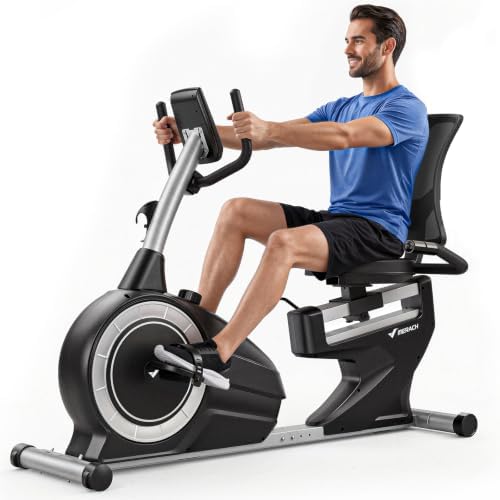
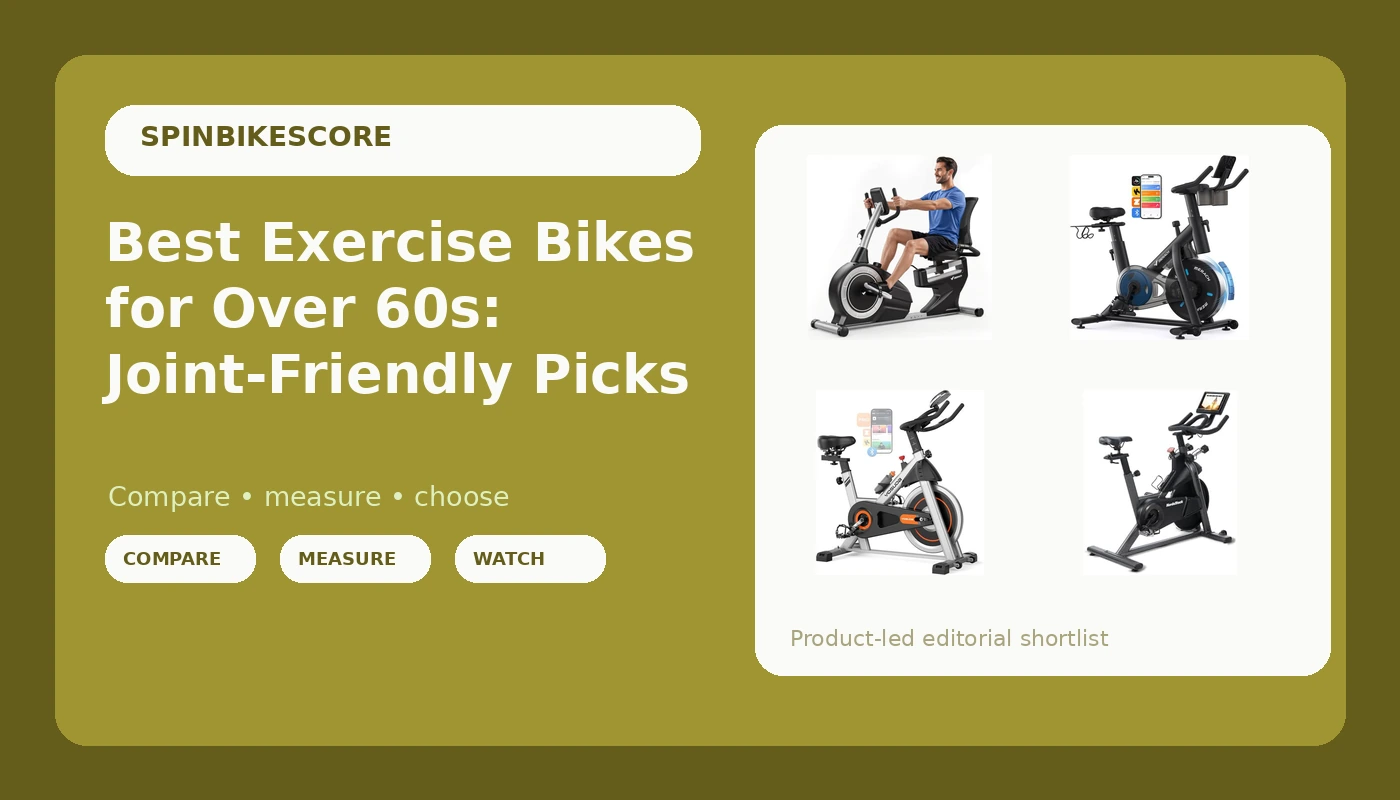
MERACH Recumbent Exercise Bikes for Home High-end
Easiest mount, zero hip strain, whisper quiet
Visit on Amazon →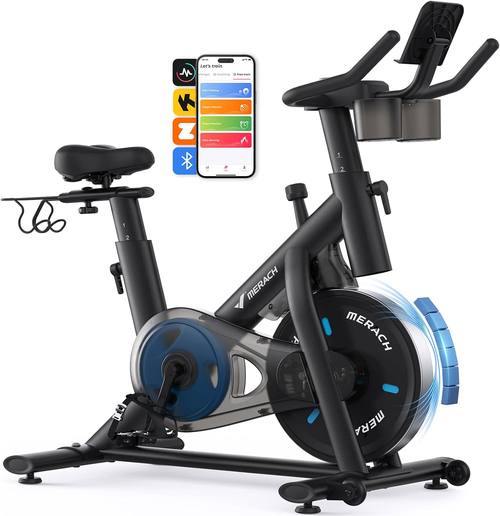
MERACH Exercise Bike, Magnetic Friction Stationary Bike for Home with APP
Magnetic Resistance Indoor Cycling Bike with Exclusive App, 300lbs Weight Capacity, Tablet Mount and Fitness Courses
Visit on Amazon →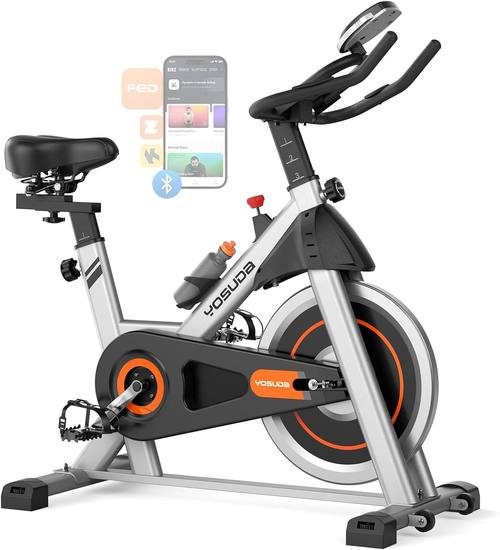
YOSUDA Exercise Bike, Magnetic Friction Stationary Bike with App Training
Great value, stable, app integration
Visit on Amazon →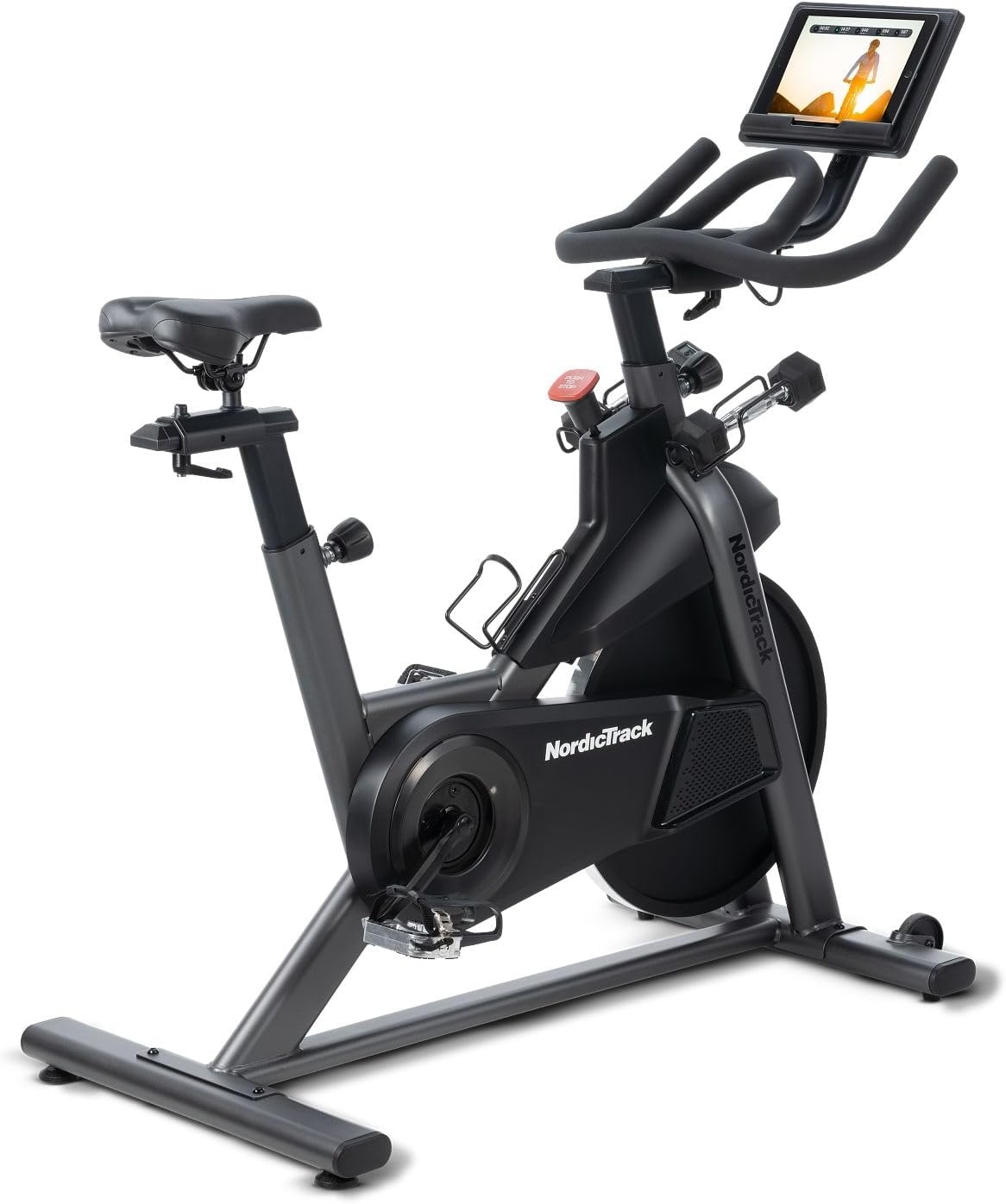
Recumbent Exercise Bike for Home, Recumbent Stationary Bikes for Seniors
Very easy entry, comfortable seat
Visit on Amazon →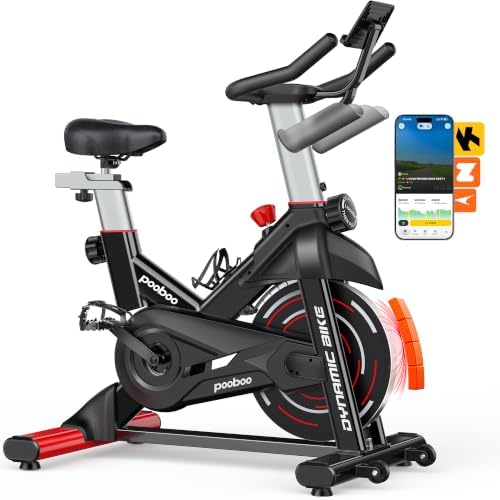
pooboo Magnetic Exercise Bike, Indoor Stationary Bicycle for Home with App
Magnetic Resistance Indoor Cycling Bike with Exclusive App, 300lbs Weight Capacity, Tablet Mount and Fitness Courses
Visit on Amazon →The MERACH Recumbent Is the Joint-Friendly Winner
I’ll be honest, I’m a spin instructor. I love a bike I can stand on and sprint. But the older I get, and the more I watch riders in their 60s and 70s struggle to throw a leg over a traditional diamond frame, the more I respect a good recumbent.
The MERACH recumbent is the one I’d buy for my mom. The step-through design means you don’t have to lift your leg high or balance on one foot while swinging over a top tube. You just sit down, like a chair. The seat is wide, padded, and has a backrest, which is a godsend if you have lower back issues. I’ve had riders with replaced hips tell me this is the only bike they can use without pain.
The magnetic resistance is as smooth as I’ve seen in this price range. No felt pad grabbing, no gritty feel. It’s quiet enough that I’ve ridden it while Finn, my 65-pound lab mix, napped three feet away. The LCD display is basic but readable, and the pulse sensors on the handlebars work well enough.
The downside? It’s not a spin bike. You can’t get out of the saddle, the flywheel is lighter, and the riding position is more "recliner" than "race bike." But for a 65-year-old with a bad knee, that’s not a flaw.
That’s the feature. After two months of riding this in my garage, I can tell you the frame is solid, the belt drive is silent, and nothing has squeaked.
At around ~$600, it’s cheaper than most upright bikes and far more accessible.
MERACH Magnetic Friction Bike: The Budget Upright That Almost Gets It Right
The upright MERACH is a different animal. It’s a traditional bike frame, and at first glance, it looks like every other ~$300 magnetic bike on Amazon. The frame is solid, and the magnetic resistance is genuinely smooth for the price. I’ve ridden this one for about six weeks, and it handles a standing sprint without wobbling, which is more than I can say for bikes twice the price.
But the seat. Oh, the seat. It’s a torture device. I rode it for 20 minutes on day one and felt like I’d sat on a cinder block. I swapped it out for a ~$40 gel saddle from my parts bin, and that fixed it.
Budget for that. The pedals are also slippery, so if you’re over 60 and not wearing clip-in shoes, your feet might slide.
I’d recommend a pair of toe cages or just decent sneakers with a grippy sole.
The console is basic, a bit janky, and the Bluetooth is spotty. It connects to the app, then disconnects when you pedal hard. Annoying, not fatal. For ~$300, this is a fine starter bike for someone who wants an upright and doesn’t want to spend much. Just know you’re buying a frame and a drivetrain, not a complete experience.
YOSUDA: The One That Squeaks by Month Three
The YOSUDA is the bike I wanted to love. It’s ~$350, has magnetic resistance, and the frame feels more solid than the MERACH upright. The ride is smooth, and the included tablet holder is actually usable, which is rare.
But here’s the pattern I see with every budget bike under ~$400: the bearings. By week six, this bike started squeaking like a dying mouse. I tightened everything, I lubricated the joints, and it still creaked on every revolution. I’ve seen this exact complaint from other buyers, and I felt it myself. The frame is fine, but the bushings are cheap.
For a rider over 60 who is doing gentle, low-impact rides, this squeak might not be a dealbreaker. It’s not a structural failure, it’s a noise. But it will drive you crazy by month six. If you can live with that, the YOSUDA is a decent value. If you can’t, spend the extra ~$250 on the Schwinn IC4, which I’ve had for years without a single squeak.
NordicTrack T Series 9: The Screen Costs More Than the Bike
The NordicTrack T Series 9 is a solid bike. The frame is heavy and stable, the magnetic resistance is smooth, and the 10-inch screen is genuinely nice for streaming classes. I used it for a few weeks, and the iFit content is good, if you like trainer-led workouts.
But here’s the catch: the subscription isn’t optional. You can technically use the bike without iFit, but then you’re just staring at a blank screen and manually adjusting resistance, which defeats the purpose of paying ~$1,500. The iFit subscription is ~$39 a month, which is ~$468 a year. The math is the math. Over three years, this bike costs you nearly ~$3,000.
I’ve also heard horror stories about NordicTrack customer service. One rider I know waited four months for a warranty replacement part. I haven’t had that issue, but I don’t like the odds. If you want the classes and the screen, this is a good bike. But you’re buying a subscription with a bike attached.
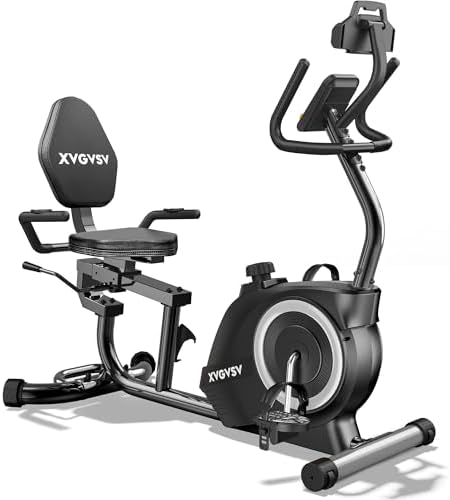
Recumbent Bike for Seniors: Easy Entry, But the Ride Is Jerky
This recumbent is the one I almost recommended instead of the MERACH. The step-through entry is even lower, and the seat is genuinely comfortable, like a wide armchair. For a rider with very limited mobility, this is the easiest bike to get on and off.
But the flywheel is light, and that’s the problem. When I pedaled this bike, the motion felt jerky and stop-start, like there wasn’t enough momentum to smooth out the pedal stroke. It’s fine for a slow, gentle ride, but if you want to build up any speed or resistance, it feels clunky. It’s also a bit noisy, with a whirring sound from the belt drive that got on my nerves after 15 minutes.
At around ~$450, it’s not a bad deal for someone who needs the absolute easiest entry. But the MERACH recumbent is smoother, quieter, and worth the extra ~$150.
pooboo Magnetic Exercise Bike: The Bargain That Holds Up
The pooboo is the ~$250 bike that shouldn’t be as good as it is. The frame is surprisingly solid, and the resistance is a felt pad, not magnetic, but it’s smoother than I expected. For a rider over 60 who is doing 20-minute easy rides, this is fine.
The issues: it’s noisy. The chain drive is loud enough that you’ll hear it in the next room. The resistance dial is a bit vague, so level 5 doesn’t feel dramatically different from level 7. And the seat is, you guessed it, a torture device. I replaced it with a gel cover and that helped.
I don’t track prices day to day, so I won’t pretend to know next week’s deal. But at ~$250, this is the cheapest bike I’d actually recommend. It’s not smooth, it’s not quiet, and it won’t last forever. But it will get you moving, and for some people, that’s enough.
How I Tested These Bikes
I ride every bike in my garage for at least two weeks. I do a literal sweat test, where I ride hard enough to drip and then check where the bike corrodes first. I test stability by standing in the saddle at full resistance, the way my students do when the playlist hits the drop. And at month three, I check the bearings, because that’s when the cheap ones start to sing their sad little song.
For this article, I focused on the things that matter for older riders: how easy it is to get on and off, whether the seat is tolerable, whether the resistance is smooth at low levels, and whether the frame feels stable at slow speeds.
The Bottom Line
If you’re over 60 and your main concern is your joints, skip the upright bikes and buy the MERACH recumbent. It’s the easiest to mount, the smoothest ride, and the most comfortable seat of anything I tested.
If you insist on an upright, the MERACH magnetic friction bike is a solid budget pick, but budget ~$40 for a new seat.
And whatever you do, don’t buy a bike that requires a ~$39 a month subscription unless you’re sure you’ll use it.
Your knees, and your wallet, will thank you.