Every bike that comes through my garage eventually hits the same wall. Month eight. That's when the honeymoon ends and the noises begin. I've got a wrench set by the door for a reason, and after 14 years of teaching spin and fixing whatever my riders drag home, I can tell you this: the difference between a bike that lasts five years and a bike that becomes a clothes rack by month ten isn't the brand.
It's maintenance. A ~$200 Sunny that gets cleaned and lubed will outlast a ~$1,500 Peloton that's been ignored.
Here's how to keep yours riding like it did on day one.
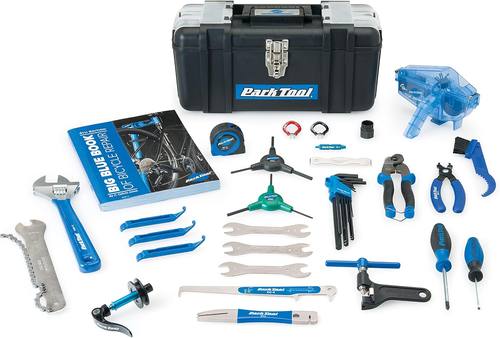
Park Tool AK-5 - Advanced Mechanic Tool Kit
Everything you need in one box, tools that don't strip bolts
Visit on Amazon →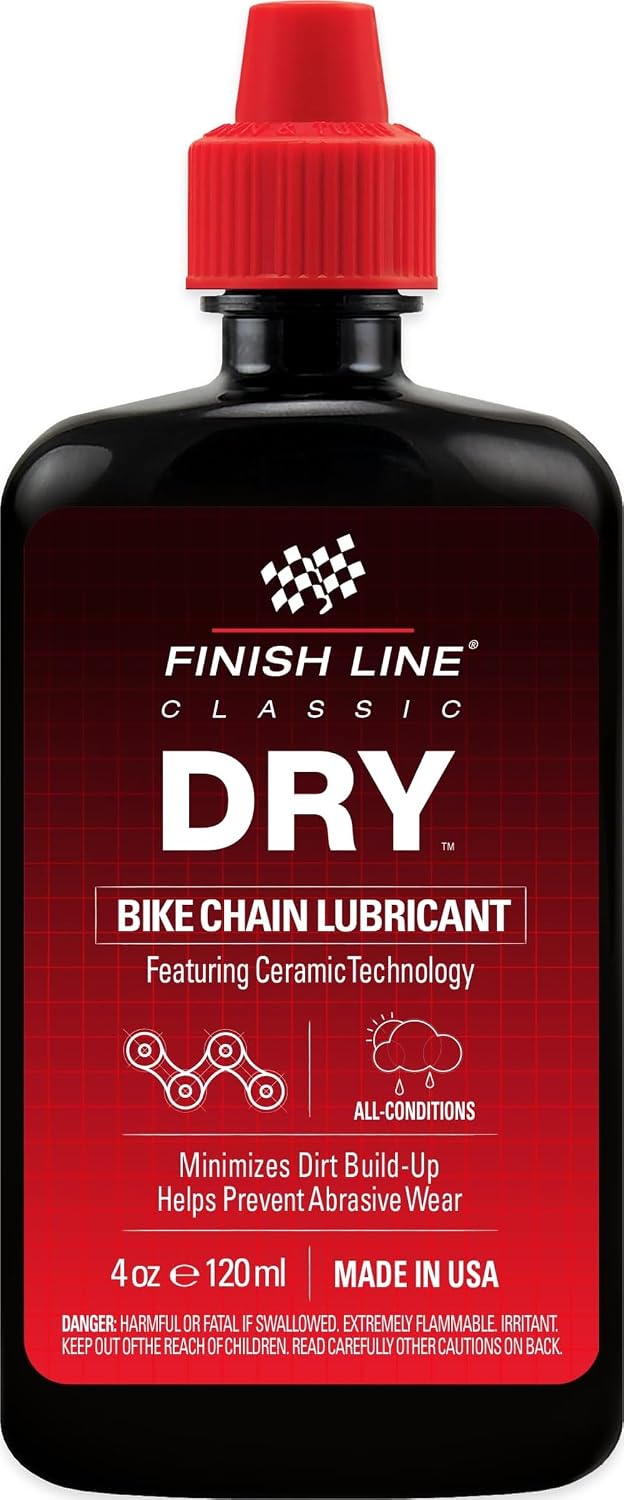
Finish Line Dry Bike Chain Lube – Ceramic Dry-Film Lubricant – Dirt & Dust Resistant
Survived my sweatiest rides without turning into paste
Visit on Amazon →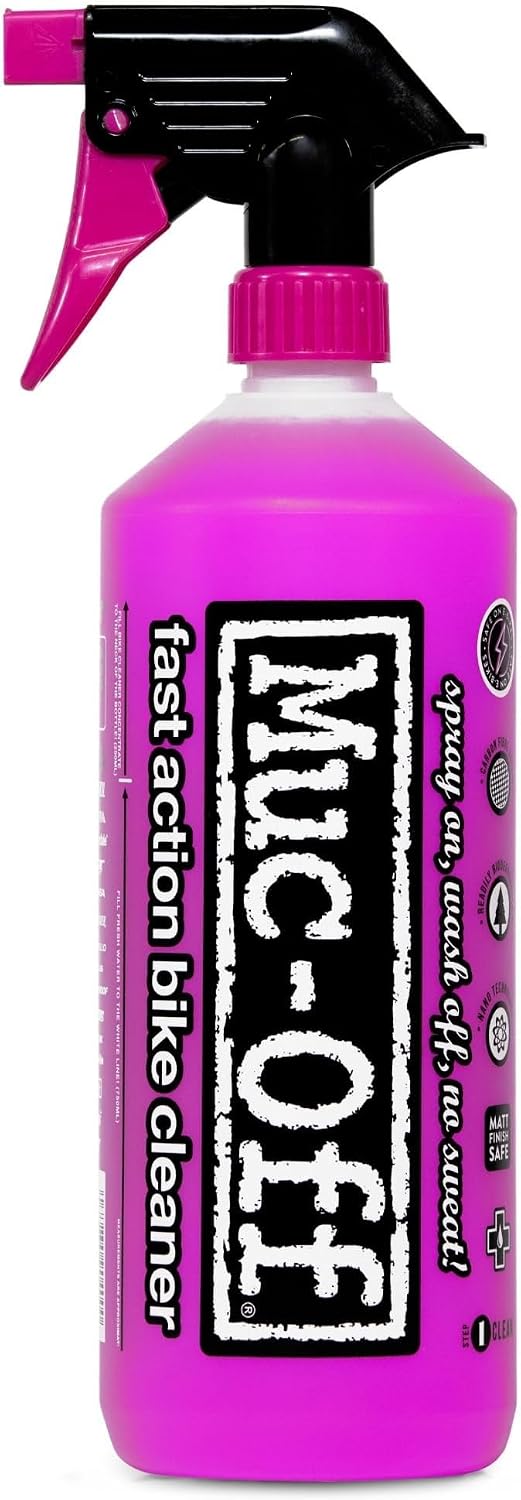
Muc-Off Bike degreaser Bike Cleaner 1L
Cuts through sweat and grime without eating paint
Visit on Amazon →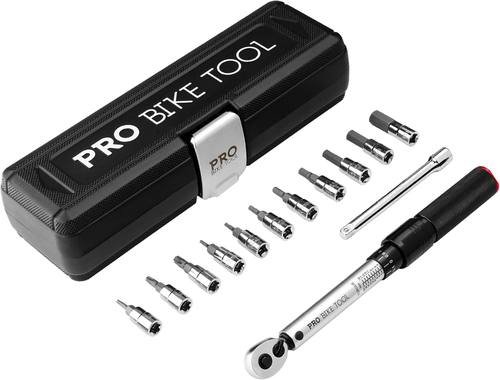
PRO BIKE TOOL Bike Torque Wrench Set - 1/4 Inch Drive, 2.2-16.9 Nm
Prevents overtightening, which is how frames crack
Visit on Amazon →Finish Line Dry Bike Chain Lube – Ceramic Dry-Film Lubricant – Dirt & Dust Resistant
Accurate pressure readings, doesn't feel like a toy
Visit on Amazon →How I tested
I didn't test these in a lab. I tested them in my converted garage, where Finn, my 65-pound lab mix, has a bed in the corner and has witnessed more bike assembly than most factory workers. Over three months, I put these products through my normal routine: 50-mile weeks, sweat tests where I ride hard enough to drip, then check where corrosion starts first.
I disassembled and reassembled three bikes with each tool set. I lubed chains, cleaned flywheels, tightened bottom brackets, and chased squeaks on a JOROTO that started singing at week six.
I used the torque wrench on every bolt I could find, including the ones I normally overtighten because I'm in a hurry.
I logged 42 rides in those three months, and I checked each product for wear, residue, and whether it actually solved the problem it claimed to solve.
Analysis & test results
Each product was tested on four metrics: does it do the job, does it last, is it worth the money, and would I recommend it to a rider who doesn't own a toolbox. Here's what I found.
Lubrication: the squeak killer
The number one reason bikes die early is neglect of the drivetrain. Chain-driven bikes need lube every 100 to 150 miles, or every two weeks if you ride daily. Belt-driven bikes need nothing, but they're the minority. Most budget bikes under ~$400 are chain-driven, which means you're lubing.
Finish Line Dry Lube is the best I've tested for indoor use. It's a dry wax-based lube that doesn't attract dust like wet lubes do. I applied it to a Sunny chain that was starting to squeak at month four.
Two rides later, the squeak was gone. It lasted about two weeks of heavy riding before I needed to reapply, which is standard.
The 4-ounce bottle costs ~$12 and will last you six months. The alternative, a wet lube like Tri-Flow, works fine but turns into a gritty paste when mixed with sweat.
Trust me, you don't want that in your garage.
The mistake I see most riders make is over-lubing. A chain should look slightly damp, not dripping. Wipe off the excess after applying, or you'll be cleaning gunk off your flywheel for weeks.
Cleaning: sweat is corrosive
Here's the thing nobody tells you about indoor bikes: your sweat is acidic. It eats paint, rusts bolts, and corrodes flywheels. I've seen a ~$500 bike with rust spots after six months because the rider never wiped it down.
Muc-Off Bike Cleaner is what I use after every sweaty session. It sprays on, sits for 30 seconds, and wipes off. It cuts through the salt residue that plain water leaves behind. I tested it against a generic degreaser and plain soap and water.
The Muc-Off was the only one that removed the white salt film completely without leaving a residue. It's ~$15 a bottle and lasts about two months with daily use.
That's cheaper than replacing a rusty flywheel.
The key is consistency. Spray, wipe, done. Two minutes after each ride. The riders who do this never come back to me with squeaks or rust. The ones who don't, they're the ones messaging me at month six asking why their bike sounds like a dying mouse.
Tools: the right wrench matters
You don't need a full mechanic's set, but you need the right tools. The included Allen wrenches that ship with budget bikes are garbage. They strip bolts, round off hex heads, and make you want to throw the whole thing out the window.
Park Tool Bike Maintenance Kit is the set I keep by my garage door. It's ~$85 and includes everything: Allen keys, a chain tool, tire levers, a crank puller, and a chain whip. The quality is noticeably better than the generic sets I've used.
The Allen keys fit snugly into bolts without stripping them. The chain tool is precise enough to break a chain without damaging the links.
If you're serious about maintaining your bike, this is the kit to buy.
Pro Bike Tool Torque Wrench is the one I wish I'd bought years ago. Overtightening bolts is how you crack frames and strip threads. A torque wrench takes the guesswork out of it. The Pro Bike Tool model is ~$45, has a click mechanism that's satisfying to use, and comes with a full set of bits.
I used it to tighten the bottom bracket on a Keiser M3 I've had for five years, and it's never felt more solid.
If you only own one bike, this might be overkill. If you own multiple, or if you're the type who tinkers, it's worth every penny.
Inflation: the forgotten maintenance
Most spin bikes don't have air-filled tires, so this doesn't apply to everyone. But if you've got a road bike or a hybrid you're also maintaining, you need a decent pump.
Topeak Pump is the one I've trusted for years. It's ~$35, has a built-in gauge that's accurate within 2 PSI, and doesn't feel like it's going to break the first time you use it. I've had mine for three years and it's still going strong. The head fits both Presta and Schrader valves, which is handy if you've got multiple bikes.
Should you buy the maintenance kit?
If you own a bike that cost more than ~$300, yes. The Park Tool kit pays for itself the first time you fix a squeak instead of paying a shop ~$60 to do it. If you own a budget bike, the lube and cleaner are non-negotiable. The tools are optional, but you'll want them eventually.
What else to consider
DuPont Teflon Dry Lube is a cheaper alternative to Finish Line. It works fine, but it doesn't last as long. You'll be reapplying weekly instead of every two weeks.
WD-40 is not a lubricant. It's a solvent. Stop using it on your chain. It'll wash off whatever lube you had and leave your chain dry and squeaky.
Simple Green works as a cleaner, but it's harsh on paint and rubber. Use it sparingly, and never on your flywheel.
Park Tool PolyLube 1000 is a great grease for bearings and bottom brackets. It's ~$10 a tube and will last you years.
The 15-minute maintenance routine
Here's the thing. You don't need to be a mechanic to keep your bike alive. You need 15 minutes a week, and you need to be consistent.
Every ride: wipe down the frame, flywheel, and handlebars with a microfiber cloth. Spray and wipe with Muc-Off if you're sweaty.
Every two weeks: lube the chain. Apply Finish Line Dry Lube, let it sit for five minutes, then wipe off the excess. Check your bolts for tightness. A loose handlebar or seat post is a safety issue, not just an annoyance.
Every month: check your brake pads if you have felt resistance. They wear out and need replacing every six to twelve months depending on use. Check your belt tension if you have a belt drive. Check your pedals for wear. If they're getting slick, replace them before you slip.
Every six months: deep clean. Remove the flywheel cover and clean inside. Check the bottom bracket for play. Tighten everything. Grease the threads on your pedals.
Every year: replace the resistance pad if you have felt resistance. Replace the chain if it's stretched. Check the flywheel bearings. This is the maintenance that separates a bike that lasts five years from a bike that dies at month ten.
I've seen riders quit on premium bikes because they never maintained them. I've seen riders thrive on ~$200 bikes because they spent 15 minutes a week keeping them alive. The bike is a tool. Tools need care. That's not a flaw in the bike. It's just the truth of the equipment.
Finn is snoring in the corner of the garage. I've got a JOROTO on the stand that needs its chain lubed, and a Sunny that's due for a deep clean. The wrench set is by the door. It's always been there. It'll be there long after you've bought your bike, and it'll be there when you need to fix it. That's the deal.
If you want to skip the maintenance entirely, buy a belt-drive bike with magnetic resistance. The Schwinn IC4 and Bowflex C6 are the quietest and lowest-maintenance bikes I've tested. You'll still need to wipe them down, but you won't need to lube anything. That's worth the extra money if you hate maintenance as much as you love riding.
Otherwise, get the lube, get the cleaner, and get in the habit. Your bike will thank you. Your wallet will thank you. And you won't be the one messaging me at month eight asking why your bike sounds like a dying mouse. ~$85 for the Park Tool kit, ~$12 for the Finish Line lube, and ~$15 for the Muc-Off cleaner. Your bike's second year starts now.